All Episodes – Page 2
Browse our complete library of interviews and discussions with leading experts in oncology.
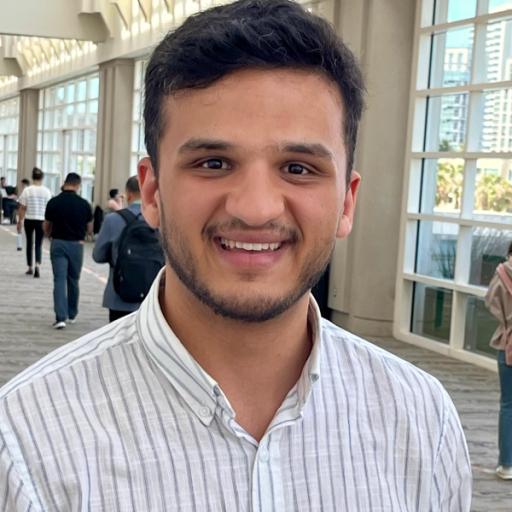
Hassan Mohammed Abushukair MD; AACR 2026: Immune Checkpoint Inhibitor-Induced Myocarditis within One Month Predicts Lethal “Triple M Overlap Syndrome”
Immune Checkpoint Inhibitor-Induced Myocarditis within One Month Predicts Lethal “Triple M Overlap Syndrome” An interview with: Hassan Mohammed Abushukair MD, Post-Doctoral Researcher, Oklahoma Univer

Eileen M O'Reilly MD; ASCO 2026: RAS G12 Targeting Drug Daraxonrasib Doubles Survival with Pancreas Cancer in Phase 3 RASolute 302 Study
Standing ovation at ASCO for RASolute 302 Study
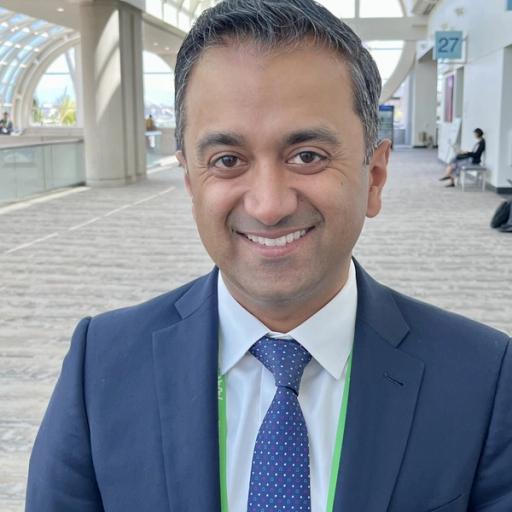
Omar Nadeem MD 2026 AACR: BCMA-directed CAR T-cell Therapy Highly Effective In Patients with High-Risk Smoldering Multiple Myeloma
BCMA-directed CAR T-cell Therapy Highly Effective In Patients with High-Risk Smoldering Multiple Myeloma An interview with: Omar Nadeem MD, Medical Oncologist and Clinical Investigator, Dana-Farber Ca

Ahmad A Tarhini MD PhD, AACR 2026: Molecular Glue Brings New Hope for Patients with BRAF or NRAS-Mutant Melanoma or Other RAS/RAF-driven Malignancies
Molecular Glue Brings New Hope for Patients with BRAF or NRAS-Mutant Melanoma or Other RAS/RAF-driven Malignancies An interview with: Ahmad A Tahini MD PhD, Senior Member, Professor, Director, Departm
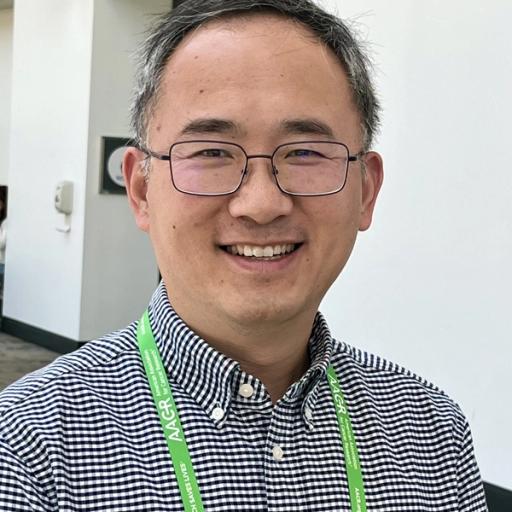
Shuguang Leng MBBS PhD, 2026 AACR: Wildfire Smoke Pollution Associated with Increased Lung, Colorectal, Breast, Bladder and Hematopoietic Cancer Rates
Wildfires risk more cancer?

Rukhmini Bandyopadhyay MD, AACR 2026: AI “Pathomics Platform” Selects Immunotherapy, Predicts Outcome for Patients with Metastatic Non-Small Cell Lung Cancer
AI “Pathomics Platform” Selects Immunotherapy, Predicts Outcome for Patients with Metastatic Non-Small Cell Lung Cancer An interview with: Rukhmini Bandyopadhyay MD, Postdoctoral Fellow, The Universi
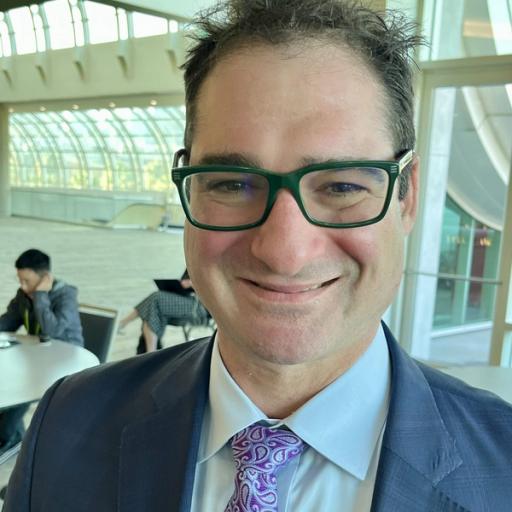
Jonathan Wesley Riess MD; 2026 AACR: Investigational KRAS(ON) Inhibitor Zoldonrasib Showed Effective and Durable Responses in Patients With Advanced G12D-mutated Lung Cancer
Investigational KRAS(ON) Inhibitor Zoldonrasib Showed Effective and Durable Responses in Patients With Advanced G12D-mutated Lung Cancer An interview with: Jonathan Wesley Riess MD, Professor of Medic
Marija Balic MD PhD, AACR 2026: Whole Exome Sequencing of ctDNA Informs Post-Neoadjuvant Therapy Options for Patients with Triple Negative Early Breast Cancer
Whole Exome Sequencing of ctDNA Informs Post-Neoadjuvant Therapy Options for Patients with Triple Negative Early Breast Cancer An interview with: Marija Balic MD PhD, Chief of Medical Breast Oncology,
Tao Zhu MD; AACR 2026: Anti-Claudin 6 Antibody Drug Conjugate Benefits Patients with Advanced Platinum-Resistant Ovarian Cancer with Low Toxicity
Refractory Ovarian Cancer Yields to Claudin 6 Targeted Antibody Drug Conjugate
Moran Amit MD PhD; AACR 2026: Oral Intralesional PD 1 Blockade Promises Less Risk of Progression to Oral Cancer than Surgery, with Preserved Quality of Life
oral pre-cancer lesions injected with nivolumab prevented progression with little morbidity

Byoung Chul Cho MD PhD; AACR 2026: New Generation KRAS G12C Inhibitor Brings Promising Responses Even in Patients with Advanced Lung Cancers Refractory to Previous KRAS-targeted Therapy
New Generation KRAS G12C Inhibitor Brings Promising Responses Even in Patients with Advanced Lung Cancers Refractory to Previous KRAS-targeted Therapy An interview with Byoung Chul Cho MD PhD, Thoraci

Elena Garralda MD PhD, AACR 2026: Molecular Glue Degrader Improves Outcomes in Heavily Pre-treated Patients with Advanced Solid Tumors
“Molecular Glue Degrader Improves Outcomes in Heavily Pre-treated Patients with Advanced Solid Tumors” An interview with: Elena Garralda MD PhD, Medical Oncologist, Head, Early Drug Development Unit,

Icro Meattini MD; 2026 EBCC: Safe to Avoid Endocrine Therapy in Older Women with Low Risk Breast Cancers: EUROPA Study Interim Findings
Safe to Avoid Endocrine Therapy in Older Women with Low Risk Breast Cancers: EUROPA Study Interim Findings An interview with: Icro Meattini MD, Associate Professor of Radiotherapy, University of Flore

Amparo Garcia-Tejedor MD, PhD; 2026 EBCC: Axillary Radiotherapy Seems As Effective as Axillary Lymphadenectomy in Sentinel Node Positive Early Breast Cancer, with Less Risk of Lymphedema
Axillary Radiotherapy Seems As Effective as Axillary Lymphadenectomy in Sentinel Node Positive Early Breast Cancer, with Less Risk of Lymphedema An interview with: Amparo Garcia-Tejedor MD, PhD, Profe

Eline Verreck BSc; 2026 EBCC: Radiation Boost May No Longer Be Justified After Standard Therapy for Early Breast Cancer
Radiation Boost May No Longer Be Justified After Standard Therapy for Early Breast Cancer An interview with: Eline Verreck BSc, Erasmus University Medical Centre, Surgical Oncology Department, Rotterd

Fleur Mauritz MD; EBCC 2026: RAPCHEM Study Shows Risk-Based Radiotherapy De-Escalation is Safe After Primary Systemic Therapy for Early Breast Cancer
Fleur Mauritz MD discusses the 10-year follow-up findings from the RAPCHEM study, presented at the EBCC 2026. The research indicates that risk-based radiotherapy de-escalation is safe and effective following primary systemic therapy for early breast cancer patients. This approach allows for tailored treatment, potentially reducing side effects without compromising low recurrence rates. The study provides crucial long-term evidence supporting individualized radiotherapy strategies.

Jelle Wesseling MD PhD; 2026 EBCC: ‘Lord’ Trial Finds Active Surveillance for Estrogen-Receptor-Positive, HER2- Negative, Grade 1–2 DCIS Just As Effective as Standard Therapy
At the 2026 EBCC, Jelle Wesseling MD PhD discusses the LORD-trial, which found active surveillance for low-risk, estrogen-receptor-positive, HER2-negative, grade 1–2 DCIS is as effective as standard therapy. The trial's reassuring findings led to early cessation of randomization, supporting de-escal

Elisa Agostinetto MD; 2026 EBCC: Circulating Tumor DNA Trumps Clinical Prognostic Markers After Neoadjuvant Therapy for Patients with Early Breast Cancer
Elisa Agostinetto MD presented at EBCC 2026, highlighting circulating tumor DNA (ctDNA) as a superior prognostic marker over clinical indicators for predicting relapse and progression in early breast cancer patients after neoadjuvant therapy. This research supports ctDNA for post-neoadjuvant risk st

Kerstin Wimmer MD; 2026 EBCC: Polyurethane-Coated Implants Reduce Capsular Contracture Risk after Mastectomy with Radiotherapy for Breast Cancer
Kerstin Wimmer MD, at the 2026 EBCC, discussed the OPBC-09 PRExRT study findings, revealing that polyurethane-coated breast implants significantly reduce capsular contracture risk for breast cancer patients receiving mastectomy with immediate pre-pectoral reconstruction followed by radiotherapy. Thi

Fatima Cardoso MD; 2026 EBCC: OASIS-4 Trial Finds Elinzanetant Cuts Vasomotor Symptoms (“Hot Flashes”) in Endocrine Therapy-Treated Patients with Breast Cancer
At EBCC 2026, Fatima Cardoso MD discussed the OASIS-4 trial, revealing elinzanetant greatly reduced vasomotor symptoms ("hot flashes") in breast cancer patients receiving endocrine therapy. This dual neurokinin receptor antagonist demonstrated rapid and sustained efficacy across various ET types, of