All Episodes – Page 3
Browse our complete library of interviews and discussions with leading experts in oncology.

Elisabetta Bonzano MD PhD; 2025 EBCC: BRAVE-HEART Study Shows How Breath-Holding System Halves Coronary Radiation Dose During Left Breast Irradiation
Elisabetta Bonzano MD PhD discusses the BRAVE-HEART study at the 2025 EBCC, revealing how the Active Breathing Co-ordination (ABC) system significantly halves the coronary radiation dose during left breast irradiation. This crucial finding confirms ABC's high feasibility and clinical impact in reduc
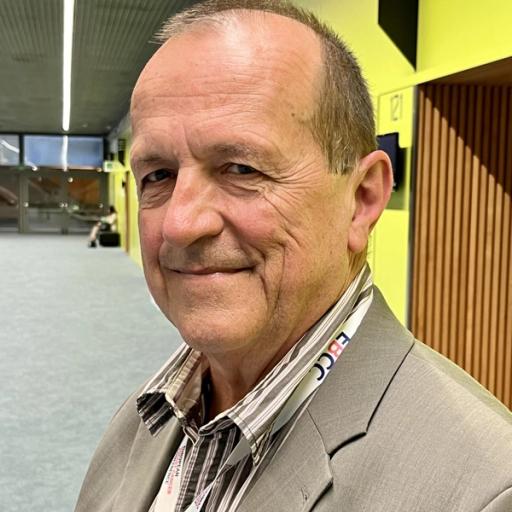
Philip Poortmans MD PhD; 2026 EBCC: European Breast Cancer Conference: Focus on Therapy De-escalation and Individualization
This episode features Philip Poortmans MD PhD, University of Antwerp & Iridium Netwerk, discussing key themes from the 2026 European Breast Cancer Conference. He focuses on individualizing breast cancer therapy through de-escalation, covering the EUROPA trial, radiation boost data, axillary radiothe

Tess Snellen MD; 2026 EBCC: Molecular Test Distinguishes Ipsilateral Second Primary from Recurrent Breast Cancer
Tess Snellen MD, from the Netherlands Cancer Institute, presents key findings at the EBCC 2026 regarding a molecular test. This innovative test utilizes next-generation sequencing to precisely differentiate between a recurrent ipsilateral breast cancer and a new primary tumor, significantly aiding i

Charles E Geyer MD; ESMO 2025: Antibody Drug Conjugate T-DXd Brings Longer Cancer-Free Survival for Patients with HER2-Positive Early Breast Cancer and Residual Invasive Disease
Charles E Geyer MD, at ESMO 2025, discusses DESTINY-Breast05 results, revealing trastuzumab deruxtecan (T-DXd) significantly improves disease-free survival for HER2-positive early breast cancer patients with residual invasive disease after neoadjuvant therapy. T-DXd outperformed trastuzumab emtansin

Hope S. Rugo, MD; SABCS 2025: Selective Estrogen Degrader Giredestrant Brings Clinically Meaningful Improvements in Metastatic Breast Cancer: evERA Breast Cancer Trial
Hope S. Rugo, MD, discusses the Phase III evERA Breast Cancer trial at SABCS 2025, revealing clinically meaningful improvements with giredestrant plus everolimus for ER-positive, HER2-negative metastatic breast cancer previously treated with a CDK4/6 inhibitor. Subgroup analyses show benefits regard
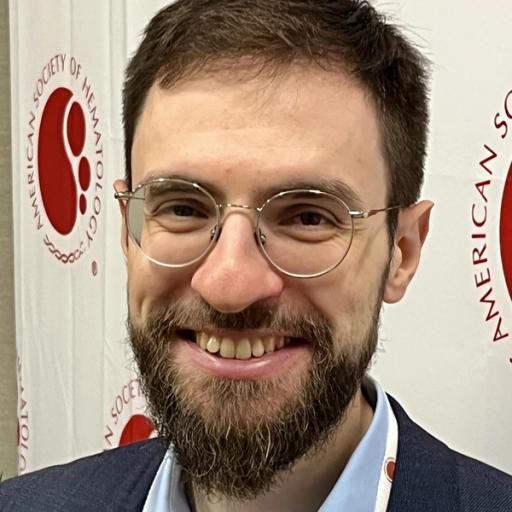
Othman Al-Sawaf MD PhD; ASH 2025: Fixed-Duration Targeted Combinations As Effective as Extended Monotherapy for Patients with Untreated Chronic Lymphocytic Leukemia
Othman Al-Sawaf MD PhD, a hematologist from University Hospital of Cologne, presents early data from the CLL17 international phase three trial at ASH 2025. The findings indicate that fixed-duration treatment with venetoclax plus obinutuzumab or venetoclax plus ibrutinib is non-inferior to continuous ibrutinib for patients with previously untreated chronic lymphocytic leukemia, potentially becoming the preferred treatment.
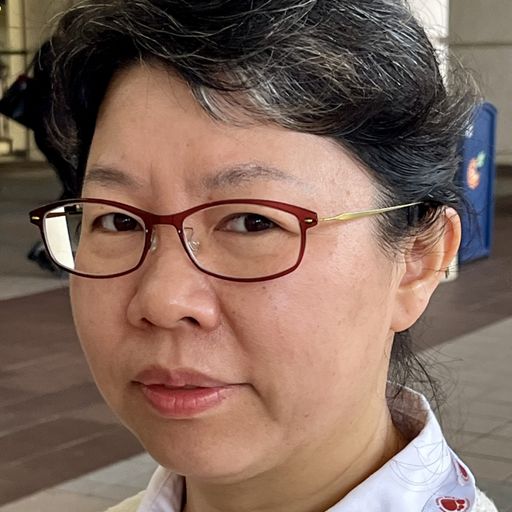
Juan Du MD PhD, ASH 2025: Dual Targeted FasTCAR-T Therapy brings Deep, Durable Responses to Patients with Newly Diagnosed Multiple Myeloma
Dr. Juan Du presented early phase one study findings at ASH 2025, detailing a novel dual-targeted FasTCAR-T therapy for newly diagnosed multiple myeloma. The study demonstrated deep, durable responses in patients using the BCMA and CD19-targeting CAR T-cell platform, GC012F/AZD0120. These promising results, consistent across all dose groups, highlight a highly favorable safety profile and potential for patients, including those with high-risk features and transplant-ineligible individuals.

Thorsten Kühn MD PhD; SABCS 2025: No Need for Axillary Node Dissection When Clinically Node-Positive Breast Cancers Convert to Node-Negative After Neoadjuvant Chemotherapy
Thorsten Kühn MD PhD discusses findings from the AXSANA/EUBREAST 3(R) study at SABCS 2025. The research indicates that breast cancer patients who convert from clinically node-positive to node-negative after neoadjuvant chemotherapy do not require axillary lymph node dissection. Less invasive surgical staging procedures were found to be non-inferior in terms of three-year outcomes, irrespective of tumor type or initial stage.
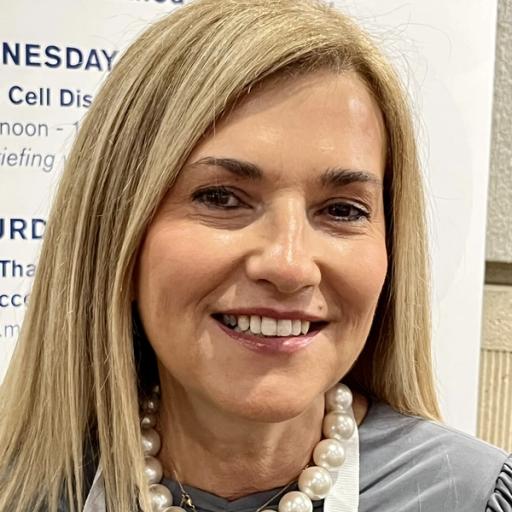
María-Victoria Mateos; ASH 2025: Unprecedented Survival Benefits with BCMA/CD3 Bispecific Antibody Teclistamab in Patients with Relapsed or Refractory Multiple Myeloma: Majestec-3 Study Findings
This podcast episode, recorded at ASH 2025, features an interview with María-Victoria Mateos MD PhD, who discusses groundbreaking findings from the Majestec-3 study. The study highlights unprecedented survival benefits with the BCMA/CD3 bispecific antibody teclistamab. In patients with relapsed or refractory multiple myeloma, adding teclistamab to standard second-line therapies significantly improved progression-free and overall survival.
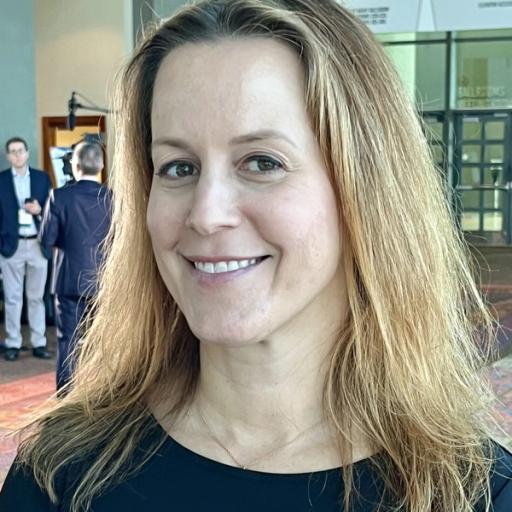
Erika Hamilton MD; 2025 SABCS: Small Molecule HER2 Inhibitor Tucatinib Improves Progression Free Survival in Patients with HER2-positive Metastatic Breast Cancer: in HER2CLIMB-05 Trial
This episode features an interview with Erika Hamilton MD at the 2025 San Antonio Breast Cancer Symposium (SABCS). Dr. Hamilton discusses findings from the HER2CLIMB-05 trial, showing that adding tucatinib to trastuzumab and pertuzumab significantly improves progression-free survival in patients with HER2-positive metastatic breast cancer as first-line maintenance therapy, with no new safety signals. This small molecule HER2 inhibitor offers a promising new option.
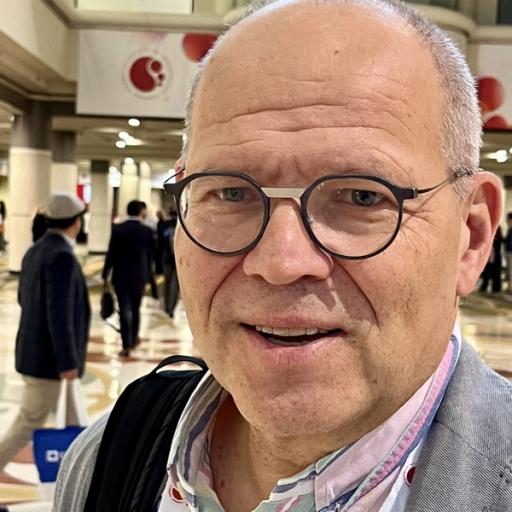
Wojciech Jurczak MD PhD; ASH 2025: Big Study Suggests Non-Covalent BTK Inhibitor Pirtobrutinib Could be New Standard-of-Care for Patients with Untreated Chronic Lymphocytic Leukemia
Wojciech Jurczak MD PhD discusses research from ASH 2025, revealing that the non-covalent BTK inhibitor pirtobrutinib is superior to bendamustine plus rituximab as initial therapy for untreated chronic lymphocytic leukemia and small lymphocytic lymphoma. The BRUIN CLL-313 phase 3 study found pirtobrutinib significantly improved progression-free survival and was well-tolerated. These data suggest pirtobrutinib could become a new standard of care for these patients.

Gaorav Gupta MD PhD; SABCS 2025: Pre-Op Radiation Improved T-cell Infiltration in Hormone Receptor-positive, HER2-negative Invasive Breast Cancer; Could Boost Systemic Therapy Responses
At SABCS 2025, Gaorav Gupta MD PhD presented findings from the TBCRC-053 (P-RAD) study. The research showed that pre-operative radiation therapy significantly increased T-cell infiltration in hormone receptor-positive, HER2-negative invasive breast cancer. This novel approach could enhance anti-tumor immunity and boost responses to systemic therapies like immunotherapy and chemotherapy in this common breast cancer subtype.

Lorenzo Falchi MD; ASH 2025: Bispecific Antibody Epcoritamab Combination Beats Standard of Care for Patients with Relapsed/Refractory Follicular Lymphoma
This episode discusses how the bispecific antibody Epcoritamab, in combination with rituximab and lenalidomide, has outperformed standard treatment for relapsed/refractory follicular lymphoma in the phase three epcore FL-1 trial. Dr. Lorenzo Falchi, an attending physician at Memorial Sloan Kettering, was interviewed at the ASH 2025 Annual Meeting, where these significant findings, including improved ORR and PFS, were presented, demonstrating a substantial reduction in the risk of progression or
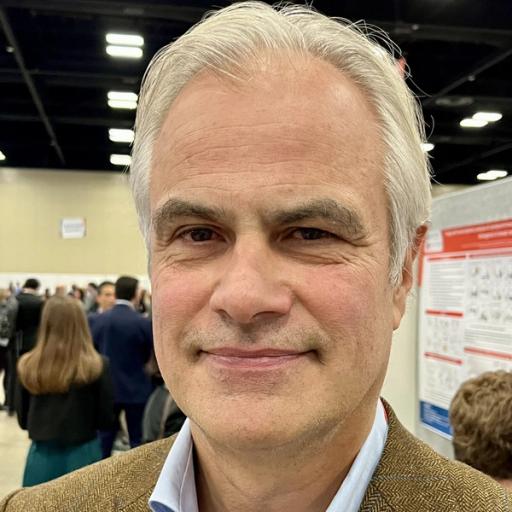
Christian F. Singer MD; 2025 SABCS: Denosumab Bone Protection in ER-Positive Early Breast Cancer Brings Added Benefit with Progesterone Receptor Positive Tumors: ABCSG 18 Study Findings
Dr. Christian F. Singer discusses findings from the ABCSG 18 Study at the 2025 San Antonio Breast Cancer Symposium. The research indicates that post-menopausal women with ER-positive early breast cancer treated with denosumab and aromatase inhibitors show enhanced bone protection and improved long-term outcomes if their tumors are also positive for the progesterone receptor. This suggests PR-positive tumors drive the benefit of adjuvant denosumab.
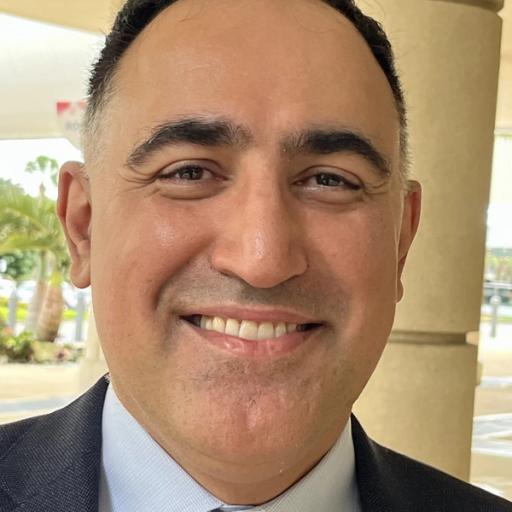
Amir Fathi MD; ASH 2025: Paradigm Study Finds Young, Fit Adults with Acute Myeloid Leukemia Do Better with Gentler Azacitidine/Venetoclax Initial Therapy
An interview with Amir Fathi MD from Massachusetts General Hospital discusses the Paradigm study presented at ASH 2025. The phase two randomized trial found that young, fit adults with acute myeloid leukemia had improved event-free survival and higher response rates with azacitidine/venetoclax initial therapy. This gentler treatment also led to fewer toxicities and better quality of life compared to standard induction chemotherapy.

Jennifer A. Woyach MD, ASH 2024: The Non-Covalent Bruton’s Tyrosine Kinase-Inhibitor Pirtobrutinib is As Effective, While Less Toxic, In Relapsed/Refractory Chronic Lymphocytic Leukemia
Dr. Jennifer A. Woyach discusses promising phase III study findings at ASH 2025, revealing that the non-covalent BTK inhibitor pirtobrutinib is as effective as ibrutinib, while demonstrating less toxicity, in patients with relapsed/refractory and treatment-naïve chronic lymphocytic leukemia/small lymphocytic lymphoma. This first randomized head-to-head comparison shows pirtobrutinib met its primary endpoint of non-inferiority for overall response rate.

Alexis Ann LeVee MD; 2025 SABCS: Pre-Operative Gut Microbiome Predicts Complete Response to Immune Checkpoint Inhibition in Patients with Early-stage HER2-positive Breast Cancer
Alexis Ann LeVee MD presented novel research at the 2025 San Antonio Breast Cancer Symposium. Her team's study, the randomized phase II neoHIP trial, revealed that pre-operative gut microbiome composition predicts pathologic complete response to immune checkpoint inhibition in patients with early-stage HER2-positive breast cancer. This highlights the microbiome's crucial role in influencing treatment outcomes for HER2-positive breast cancer.

Meletios Dimopoulos; ASH 2025: B-Cell Maturation Antigen Bispecific Antibody Linvoseltamab Brings High Response Rates in Patients with Relapsed/Refractory Multiple Myeloma
Meletios Dimopoulos MD, Chair of Clinical Therapeutics at the University of Athens, discusses early findings from the phase 1b LINKER-MM2 trial presented at ASH 2025. The study reveals high clinical response rates for the B-Cell Maturation Antigen bispecific antibody linvoseltamab when combined with anti-CD38 therapy in patients with relapsed/refractory multiple myeloma. These preliminary safety and efficacy data support further development of this promising combination for MM treatment.
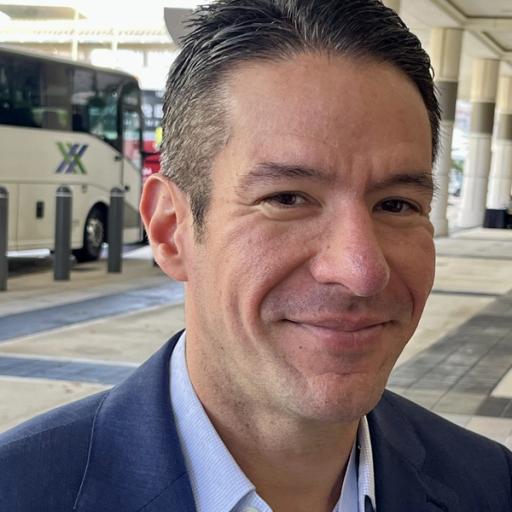
Antonio Jimenez Jimenez MD MS; ASH 2025: Donor Choice No Longer a Barrier to Allogeneic Stem Cell Transplantation for Patients with Hematologic Malignancies
Antonio Jimenez Jimenez MD MS, from the University of Miami, presented findings at ASH 2025 indicating that donor choice is less of a barrier to allogeneic stem cell transplantation for patients with hematologic malignancies. The National Marrow Donor Program Access Trial found that post-transplant cyclophosphamide enables a wider, more ethnically diverse range of patients to safely receive transplants from unrelated donors.
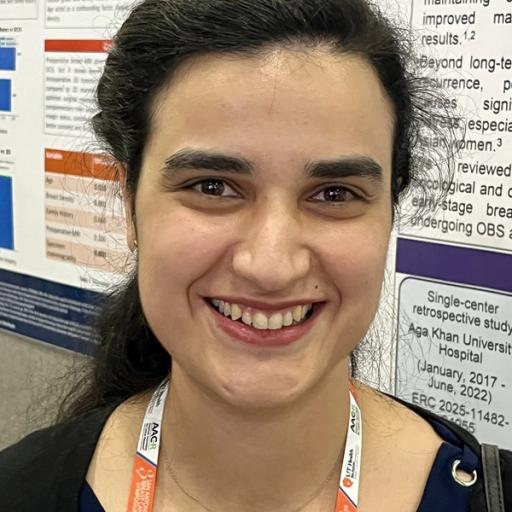
Safna Naozer Virji MBBS FPBS; 2025 SABCS: Oncoplastic Breast Cancer Surgery Study Reports High Efficacy with Superior Psychosocial Outcomes in a Low or Middle Income Country Setting
Safna Naozer Virji MBBS FPBS was interviewed at the 2025 San Antonio Breast Cancer Symposium regarding her study on oncoplastic breast cancer surgery. Her research from Pakistan reported high efficacy and superior psychosocial outcomes for patients in low or middle-income settings. The study demonstrated low margin positivity, excellent long-term survival, and high patient-reported cosmetic satisfaction, supporting broader use of OBS in resource-limited areas.