ASCO 2013
American Society of Clinical Oncology Annual Meeting
Interviews and expert commentary from ASCO 2013 — study authors and key opinion leaders discuss the findings and their clinical implications.
Official website ↗
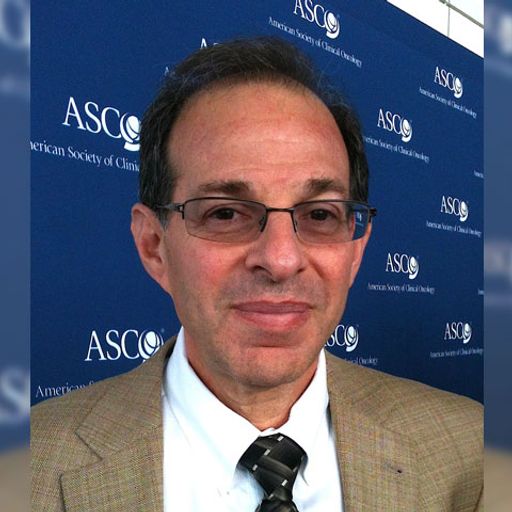
PD 1 inhibitor nivolumab shows promising activity in metastatic melanoma
CHICAGO—Findings from an expanded phase I study in 107 patients with metastatic melanoma suggest that PD-1 inhibition with the novel agent nivolumab could bring extended remissions. Sarah Maxwell hear

Combination immunotherapy improved overall survival in patients with metastatic melanoma
CHICAGO— Overall survival improved by more than two-thirds in patients with metastatic melanoma randomised to have GM-CSF added to their ipilimumab therapy. A phase II study in 245 previously treated

Heat shock protein inhibitor brings new hope in advanced pre-treated lung cancer
CHICAGO—A new approach to dealing simultaneously with several of the identified molecular processes taking place in cancer has brought new prospects for extending life in patients with advanced non sm
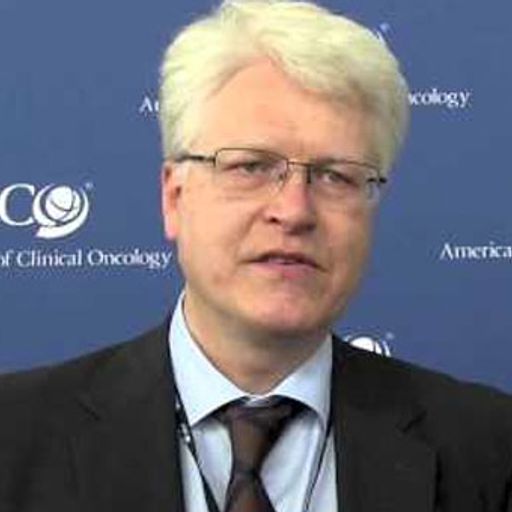
Cetuximab better than bevacizumab first-line in KRAS wild type expressing colorectal tumours
CHICAGO—Adding cetuximab to first-line irinotecan chemotherapy for patients with metastatic colorectal cancer gave a median four months advantage in overall survival as compared with adding bevacizuma

Patients with oropharyngeal cancer: no HPV risk to spouses, partners
CHICAGO—Patients with oropharyngeal cancer pose no risk of passing HPV infection to their spouses or partners — according findings presented at the 2013 meeting of the American Society of Clinical Onc

MEK-inhibitor selumetinib doubles progression free survival in advanced uveal melanoma
CHICAGO—The first drug to hold advanced uveal melanoma in check — doubling progression-free survival — was announced at the 2013 American Society of Clinical Oncology meeting in Chicago. Dr Richard Ca

Androgen blockade: 18 as good as 36 months in radiotherapy-treated prostate cancer
ORLANDO, FLORIDA—Patients receiving radiotherapy for high-risk node-negative prostate cancer benefit as much from 18 months of androgen blockade as from the usual 36 months — but have fewer side effec
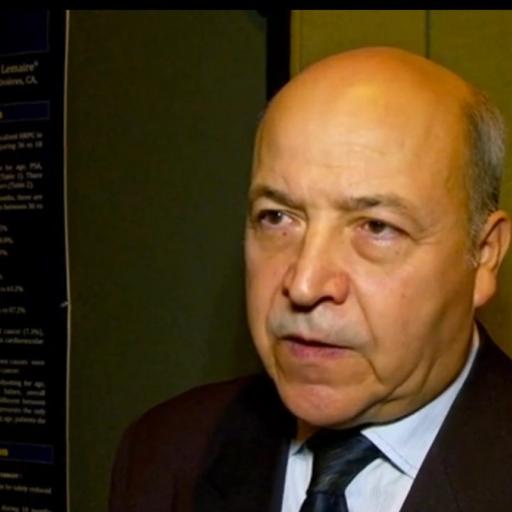
Androgen Blockade: 18 As Good As 36 Months In Radiotherapy-Treated Prostate Cancer
ORLANDO, FLORIDA—Patients receiving radiotherapy for high-risk node-negative prostate cancer benefit as much from 18 months of androgen blockade as from the usual 36 months