All Episodes
Browse our complete library of interviews and discussions with leading experts in oncology.

Vanita Noronha MD; ASCO 2026: Ultra-Low Dose Immunotherapy Extends Life with Metastatic Head and Neck Cancer at Low Cost for Patients in Low and Middle Income Countries
CHICAGO, USA—Although recurrent or metastatic head and neck cancers respond well to palliative chemotherapy with immune checkpoint inhibition, this approach may be un-affordable in low and middle income countries. But a randomized phase three trial from India reported a pragmatic solution at the 2026 Annual Meeting of the American Society of Clinical Oncology. Ultra-low doses of pembrolizumab immunotherapy along with “triple oral metronomic chemotherapy” were found to bring good palliation and longer survival according to Vanita Noronha MD, Professor of Medical Oncology, Tata Memorial Hospital, Mumbai, India, as she explained to Peter Goodwin.
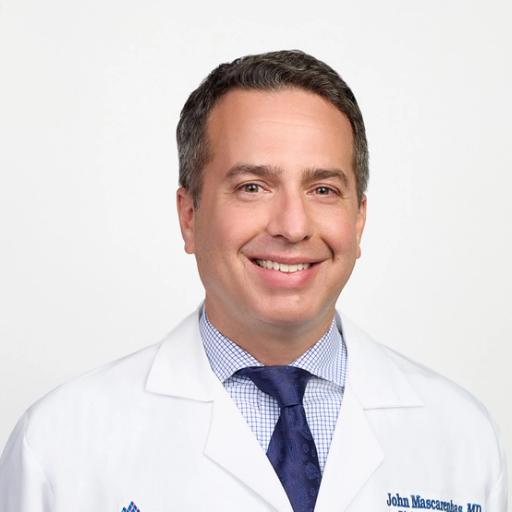
John Mascarenhas MD; ASCO 2026: New Janus Kinase Inhibitor Improves Myelofibrosis Outcomes When Added to Ruxolitinib Initial Therapy
CHICAGO, USA—Outcomes were improved for patients with myelofibrosis in the phase 3 SENTRY trial who were randomized to have the new Janus kinase inhibitor selinexor added to their ruxolitinib initial therapy.Findings were reported at the 2026 Annual Meeting of the American Society of Clinical Oncology.Peter Goodwin got the details from first author John Mascarenhas MD, Professor of Medicine and Director of the Center of Excellence for Blood Cancers and Myeloid Disorders at the Tisch Cancer Institute, Icahn School of Medicine, in Mount Sinai, New York, NY.
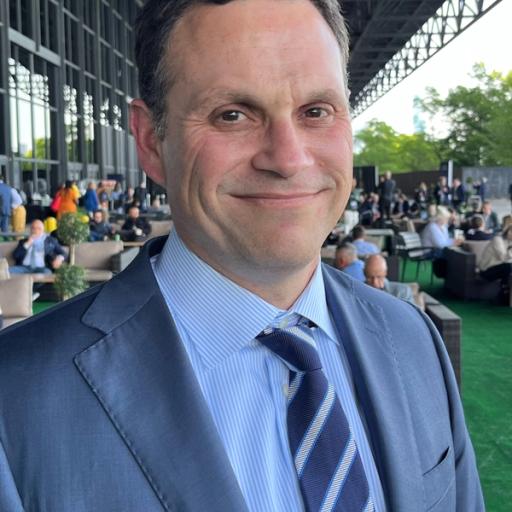
David R Spigel MD; ASCO 2026: EGFR Exon-20 Insertion Directed Initial Therapy Cuts Disease Progression in Patients with Advanced Non-Small Cell Lung Cancer
CHICAGO, USA—For patients with advanced non-small cell lung cancer harboring the rare exon-20 gene insertion,first-line treatment with the targeted drug sunvozertinib monotherapy brought statistically significant anti-tumor efficacy when compared with chemotherapy in the phase three WU-KONG28 study reported to the 2026 Annual Meeting of the American Society of Clinical Oncology by John V Heymach MD PhD, Professor and Chair of Thoracic and Head and Neck Medical Oncology, at the University of Texas MD Anderson Cancer Center, in Houston. After hearing Dr. Heymach’s talk, Audio Journal of Oncology reporter Peter Goodwin caught up with ASCO commentator David R Spigel MD, President and Chief Medical Officer at the Sarah Cannon Research Institute in Nashville, Tennessee. (An interview with David R Spigel MD, President & Chief Medical Officer, Sarah Cannon Research Institute, Nashville, Tennessee, US)
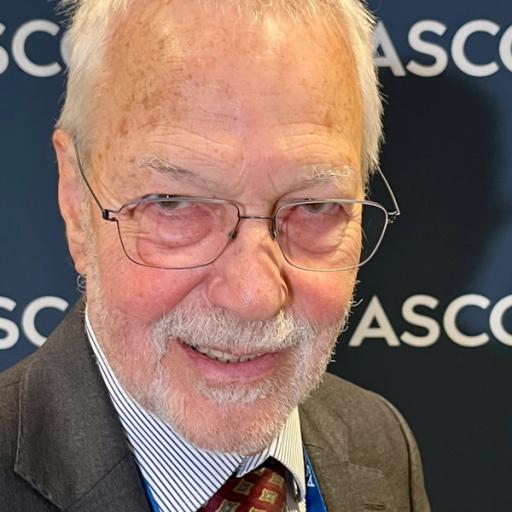
Robert C. Stein, PhD FRCP; ASCO 2026: Gene Test Finds Most Patients with High Risk ER-positive, HER2-negative Early Breast Cancer Do Not Benefit from Chemotherapy
The idea that all women with hormone dependent early breast cancers that test negative for the HER2 molecule and have high risk clinical factors should be receive chemotherapy in addition to endocrine therapy is now being strongly questioned. A new study using a gene expression test to predict recurrence risk has shown that most patients do not benefit from adding chemotherapy to their ongoing endocrine treatment. Results from the OPTIMA phase III randomized non-inferiority trial reported at the 2026 annual meeting of the American Society of Clinical Oncology suggest that the current standard of care recommending chemotherapy for high-risk groups needs to be changed. Peter Goodwin got the details of the study findings from first author, Robert C. Stein, PhD FRCP, Professor of Breast Oncology at University College, in London.

Bjørn Henning Grønberg MD PhD; ASCO 2026: Adding Thoracic Radiotherapy Did Not Prolong Lives of Patients with Extensive Stage Small Cell Lung Cancer Being Treated with Chemo-Immunotherapy. COMMENT: David R Spigel MD
Patients with extensive stage small cell lung cancer did not live longer with thoracic radiotherapy added to their chemo-immunotherapy in a study reported to the American Society of Clinical Oncology 2026 Annual Meeting held in Chicago, USA. First author Bjørn Henning Grønberg MD PhD, Professor and Consultant in Oncology at the Norwegian University of Science and Technology, St. Olavs Hospital in Trondheim, Norway talked with the Audio Journal of Oncology about his group’s findings.
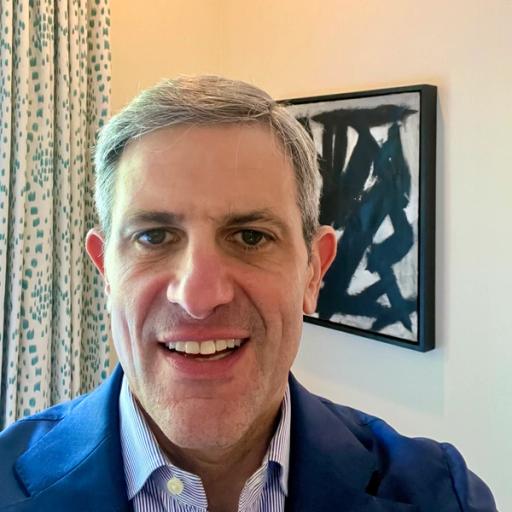
Kevin Kalinsky MD; ASCO 2026: ASCENT-04 Study Finds Sacituzumab Govitecan plus Pembrolizumab Helps Patients with Previously Untreated Metastatic PD-L1 Positive Triple Negative Breast Cancer Live Longer Without Progression Beyond Subsequent Therapies
CHICAGO, USA—Combining the antibody-drug conjugate sacituzumab govitecan with pembrolizumab immunotherapy for patients with metastatic triple-negative breast cancers testing positive for the programmed death-ligand 1 (PD-L1) led to significant delays of disease progression after subsequent therapy in comparison with standard of care using a combination of chemotherapy with pembrolizumab. That’s according to first author of research reported at the 2026 American Association of Clinical Oncology Annual Meeting Kevin Kalinsky MD, Division Director of Breast Medical Oncology from Emory University at the Winship Cancer Institute, Hematology and Medical Oncology, in Atlanta, USA. He told reporter Peter Goodwin more about the details.
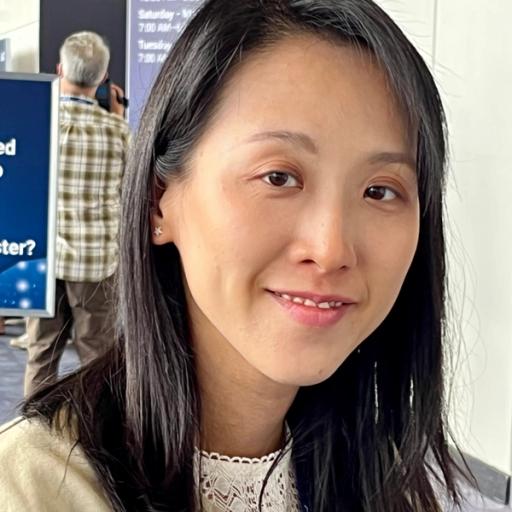
Wing-Lok Chan MBBS; 2026 ASCO: Patients with Advanced Cancer Using The SUPPORT+ Mobile Phone App With Nurse Supervision have Better Quality of Life and Fewer Hospitalizations
An interview with: Wing-Lok Chan MBBS, Clinical Associate Professor, Department of Clinical Oncology, The University of Hong Kong, Hong Kong, China CHICAGO, USA—Patients with advanced cancer had their quality of life preserved and required fewer hospitalizations when they monitored themselves digitally by using the SUPPORT+ mobile phone app prompting better self-management while giving regular access to guidance from a nurse. This was in a randomized controlled study reported to the 2026 Annual Meeting of the American Society of Clinical Oncology by Wing-Lok Chan MBBS, from the Department of Clinical Oncology at the University of Hong Kong, in China. She talked about the findings with Peter Goodwin:
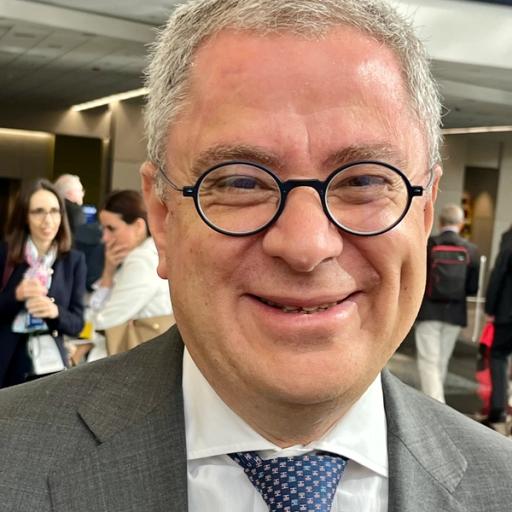
Ghassan K. Abou-Alfa MD PhD; ASCO 2026: Adding Doublet Immune Checkpoint Inhibition to Embolization with or without anti-Growth Factor TKI Therapy Extends Progression Free Survival in Patients with Hepatocellular Cancer
CHICAGO, USA—Patients with unresectable liver cancers who were eligible for treatment with transarterial chemoembolization (TACE), were randomly offered, treatment with the anti-CTL-4 checkpoint inhibitor tremelimumab together with the anti PD-L1 inhibitor durvalumab with or without a third drug: the multiple VEGFR 1, 2 & 3 kinase inhibitor, lenvatinib, in the phase threeEMERALD-3 study. Findings of a significant improvement of progression free survival were reported at the 2026 American Society of Clinical Oncology Annual Meeting by first author Ghassan Abou-Alfa MD PhD from the Gastrointestinal Oncology Service at Memorial Sloan Kettering Cancer Center, in New York and Weill Medical College, Cornell University, New York, NY. After his talk in Chicago Dr. Abou-Alfa gave Peter Goodwin the details:
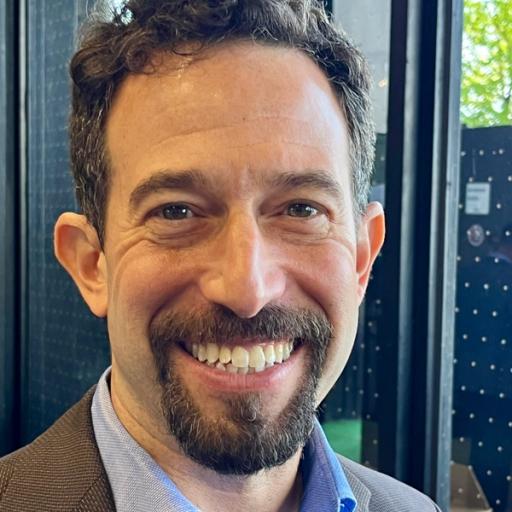
Jonathan W. Goldman MD and David R Spigel MD; ASCO 2026: Patients with RET Fusion Positive Early Stage Non-Small Cell Lung Cancer Benefit from Selpercatinib: LIBRETTO-432 Early Results
Patients with RET Fusion Positive Early Stage Non-Small Cell Lung Cancer Benefit from Selpercatinib: LIBRETTO-432 Early Results An interview with: Jonathan W. Goldman MD, Director of Clinical Trials i

Mark A Dickson, ASCO 2026: Abemaciclib Brings Marked Increase in Progression Free Survival for Patients with Advanced Dedifferentiated Liposarcoma
Abemaciclib Brings Marked Increase in Progression Free Survival for Patients with Advanced Dedifferentiated Liposarcoma An interview with: Mark A Dickson MD, Medical Oncologist, Associate Attending Ph
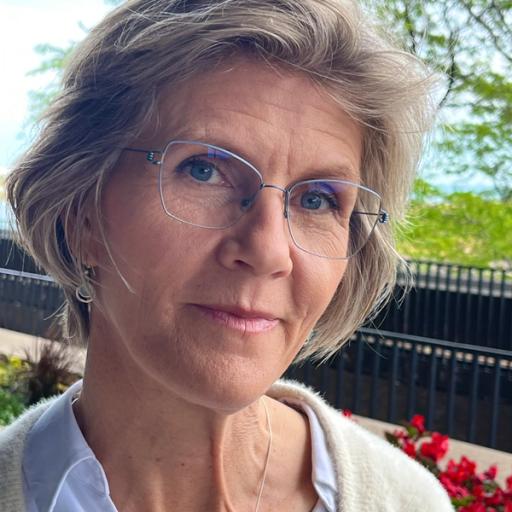
Jana de Boniface MD PhD; ASCO 2026: Omitting Axillary Lymph Node Dissection is Safe for Patients with Breast Cancer Macrometastases to One or Two Sentinel Lymph Nodes
Omitting Axillary Lymph Node Dissection: Safe for Patients with Breast Cancer Spread to One or Two Sentinel Lymph Nodes An interview with: Jana de Boniface MD PhD Department of Surgery, Capio St. Göra
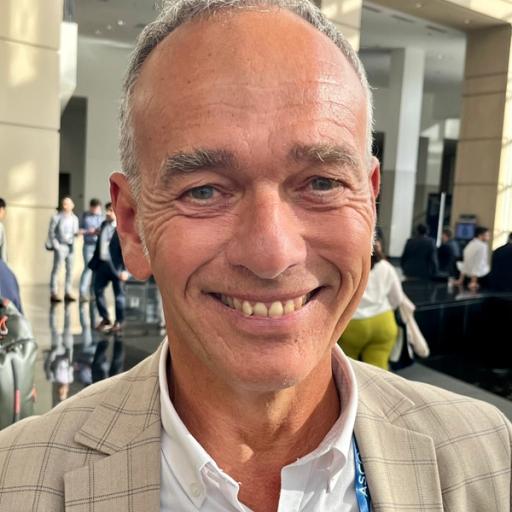
Jean-Marc Classe, MD PhD; ASCO 2026: Timing of Surgery for Advanced Ovarian Cancer among Neoadjuvant and Adjuvant Chemotherapy Cycles: Early Findings from Randomized CHRONO Trial
Timing of Surgery for Advanced Ovarian Cancer among Neoadjuvant and Adjuvant Chemotherapy Cycles: Early Findings from Randomized CHRONO Trial An interview with: Jean-Marc Classe, MD PhD, Surgeon in Gy

Peter Schmid MD PhD; ASCO 2026: Giredestrant Beats Standard Endocrine Therapies Irrespective of Menopausal Status in Patients with ER+, HER2- Early Breast Cancer
Giredestrant Beats Standard Endocrine Therapies Irrespective of Menopausal Status in Patients with ER+, HER2- Early Breast Cancer An interview with: Peter Schmid MD PhD, Professor of Cancer Medicine;
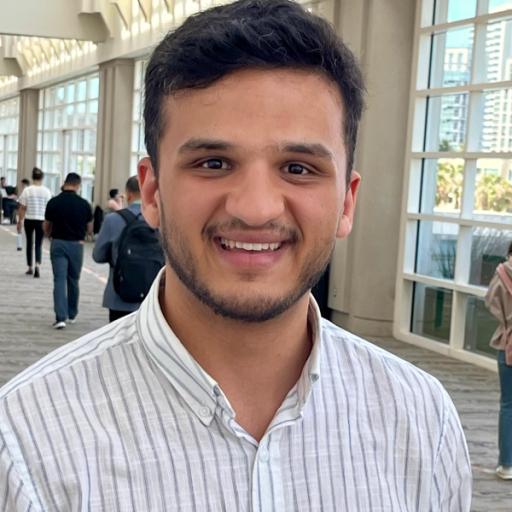
Hassan Mohammed Abushukair MD; AACR 2026: Immune Checkpoint Inhibitor-Induced Myocarditis within One Month Predicts Lethal “Triple M Overlap Syndrome”
Immune Checkpoint Inhibitor-Induced Myocarditis within One Month Predicts Lethal “Triple M Overlap Syndrome” An interview with: Hassan Mohammed Abushukair MD, Post-Doctoral Researcher, Oklahoma Univer
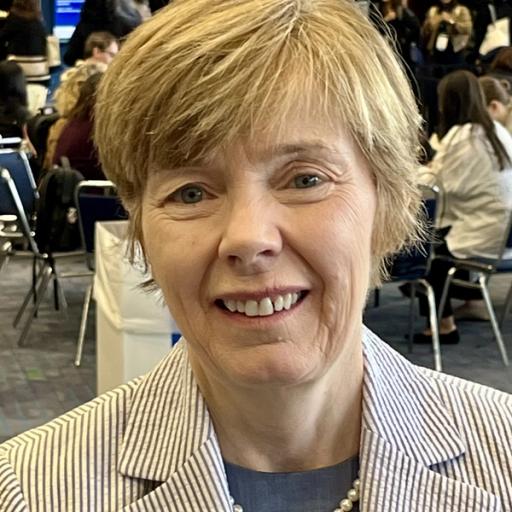
Eileen M O'Reilly MD; ASCO 2026: RAS G12 Targeting Drug Daraxonrasib Doubles Survival with Pancreas Cancer in Phase 3 RASolute 302 Study
Standing ovation at ASCO for RASolute 302 Study
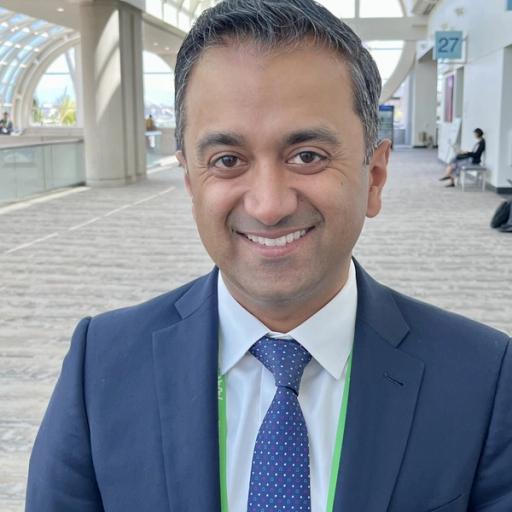
Omar Nadeem MD 2026 AACR: BCMA-directed CAR T-cell Therapy Highly Effective In Patients with High-Risk Smoldering Multiple Myeloma
BCMA-directed CAR T-cell Therapy Highly Effective In Patients with High-Risk Smoldering Multiple Myeloma An interview with: Omar Nadeem MD, Medical Oncologist and Clinical Investigator, Dana-Farber Ca
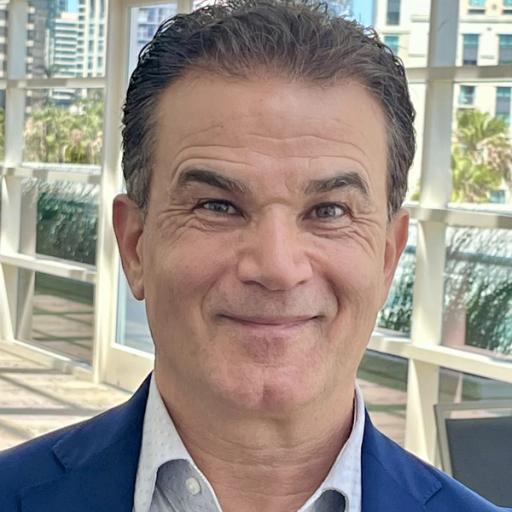
Ahmad A Tarhini MD PhD, AACR 2026: Molecular Glue Brings New Hope for Patients with BRAF or NRAS-Mutant Melanoma or Other RAS/RAF-driven Malignancies
Molecular Glue Brings New Hope for Patients with BRAF or NRAS-Mutant Melanoma or Other RAS/RAF-driven Malignancies An interview with: Ahmad A Tahini MD PhD, Senior Member, Professor, Director, Departm
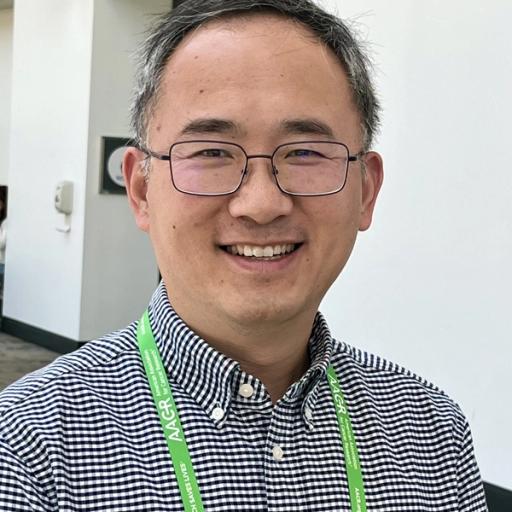
Shuguang Leng MBBS PhD, 2026 AACR: Wildfire Smoke Pollution Associated with Increased Lung, Colorectal, Breast, Bladder and Hematopoietic Cancer Rates
Wildfires risk more cancer?

Rukhmini Bandyopadhyay MD, AACR 2026: AI “Pathomics Platform” Selects Immunotherapy, Predicts Outcome for Patients with Metastatic Non-Small Cell Lung Cancer
AI “Pathomics Platform” Selects Immunotherapy, Predicts Outcome for Patients with Metastatic Non-Small Cell Lung Cancer An interview with: Rukhmini Bandyopadhyay MD, Postdoctoral Fellow, The Universi
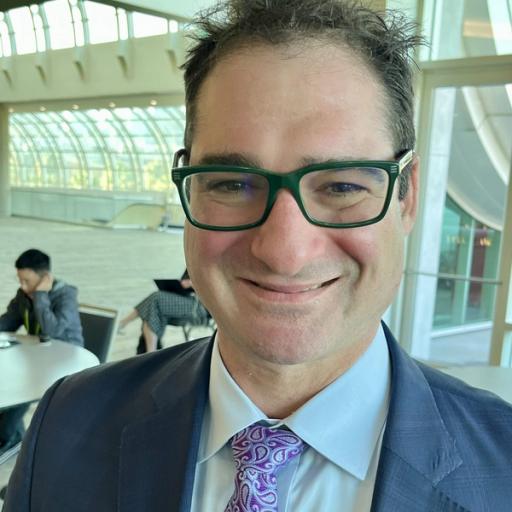
Jonathan Wesley Riess MD; 2026 AACR: Investigational KRAS(ON) Inhibitor Zoldonrasib Showed Effective and Durable Responses in Patients With Advanced G12D-mutated Lung Cancer
Investigational KRAS(ON) Inhibitor Zoldonrasib Showed Effective and Durable Responses in Patients With Advanced G12D-mutated Lung Cancer An interview with: Jonathan Wesley Riess MD, Professor of Medic