NEW ORLEANS—High remission rates with extended survival are being achieved in patients who had failed all other therapies — including allogeneic stem cell transplantation — for their acute lymphoblast
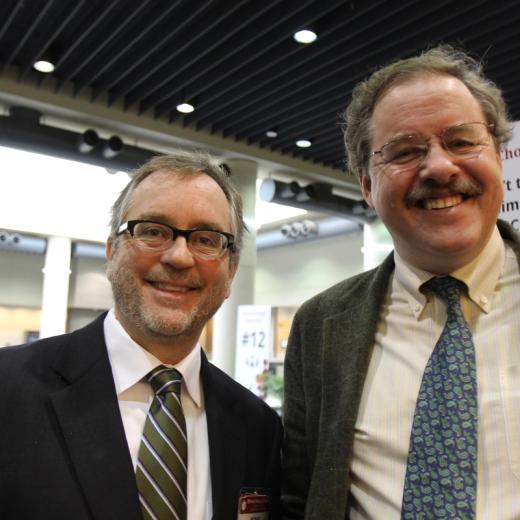
NEW ORLEANS—High remission rates with extended survival are being achieved in patients who had failed all other therapies — including allogeneic stem cell transplantation — for their acute lymphoblastic leukemia and otherwise had very short life expectancies. Stephan A Grupp, MD, PhD from the University of Pennsylvania and his colleague Michael Kalos PhD discussed their findings from a study presented here of T-cells engineered with a chimeric antigen receptor (CAR) targeting CD19 (CTL019) which they found to have significant in vivo proliferation, produce complete responses and had long-term persistence without graft versus host disease in children and adults with relapsed, refractory disease. Laurence Cooper MD, PhD, of the M D Anderson Cancer Center in Houston — moderator of a press briefing here on CAR T-cell therapy — assessed the potential scope of this treatment in hematologic malignancy and solid tumors. George Canellos MD from the Dana-Farber Cancer Institute in Boston added his opinion about the value and application of this technology.
Tags
Related Episodes
Hassan Mohammed Abushukair MD; AACR 2026: Immune Checkpoint Inhibitor-Induced Myocarditis within One Month Predicts Lethal “Triple M Overlap Syndrome”
Immune Checkpoint Inhibitor-Induced Myocarditis within One Month Predicts Lethal “Triple M Overlap Syndrome” An interview with: Hassan Mohammed Abushukair MD, Post-Doctoral Researcher, Oklahoma Univer

Juan Du MD PhD, ASH 2025: Dual Targeted FasTCAR-T Therapy brings Deep, Durable Responses to Patients with Newly Diagnosed Multiple Myeloma
Dr. Juan Du presented early phase one study findings at ASH 2025, detailing a novel dual-targeted FasTCAR-T therapy for newly diagnosed multiple myeloma. The study demonstrated deep, durable responses in patients using the BCMA and CD19-targeting CAR T-cell platform, GC012F/AZD0120. These promising results, consistent across all dose groups, highlight a highly favorable safety profile and potential for patients, including those with high-risk features and transplant-ineligible individuals.

Gaorav Gupta MD PhD; SABCS 2025: Pre-Op Radiation Improved T-cell Infiltration in Hormone Receptor-positive, HER2-negative Invasive Breast Cancer; Could Boost Systemic Therapy Responses
At SABCS 2025, Gaorav Gupta MD PhD presented findings from the TBCRC-053 (P-RAD) study. The research showed that pre-operative radiation therapy significantly increased T-cell infiltration in hormone receptor-positive, HER2-negative invasive breast cancer. This novel approach could enhance anti-tumor immunity and boost responses to systemic therapies like immunotherapy and chemotherapy in this common breast cancer subtype.