
The microbiome is emerging as a powerful ally to cancer doctors to harness in tandem with curative therapies, especially with allogeneic stem cell transplantation.
An interview with:
Jenny Paredes PhD, of the Department of Hematology and Hematopoietic Cell Transplantation at City of Hope National Medical Center in Duarte, California
SAN DIEGO, USA—A higher intake of dietary fiber after allogeneic hematopoietic cell transplantation was associated with increased overall survival, a lower incidence of graft-versus-host disease, an increase in fecal concentrations of beneficial short-chain fatty acids and greater microbial diversity of the gut microbiome. These findings came from a study with 173 patients led by Jenny Paredes PhD, of the Department of Hematology and Hematopoietic Cell Transplantation at City of Hope National Medical Center in Duarte, California, and were reported at the 2024 Annual Meeting of the American Society of Hematology. During the conference, Dr. Paredes gave Audio Journal of Oncology correspondent Peter Goodwin the details:

Jenny Paredes: Dietary Fiber Role in Allo Transplant
Related Episodes
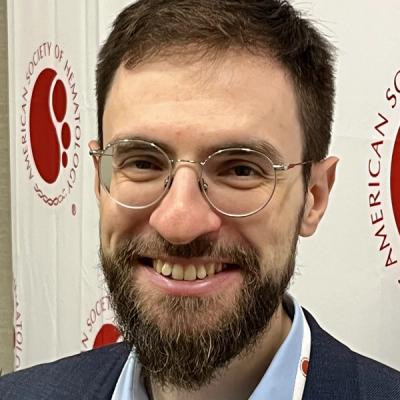
Othman Al-Sawaf MD PhD; ASH 2025: Fixed-Duration Targeted Combinations As Effective as Extended Monotherapy for Patients with Untreated Chronic Lymphocytic Leukemia
Othman Al-Sawaf MD PhD, a hematologist from University Hospital of Cologne, presents early data from the CLL17 international phase three trial at ASH 2025. The findings indicate that fixed-duration treatment with venetoclax plus obinutuzumab or venetoclax plus ibrutinib is non-inferior to continuous ibrutinib for patients with previously untreated chronic lymphocytic leukemia, potentially becoming the preferred treatment.

Juan Du MD PhD, ASH 2025: Dual Targeted FasTCAR-T Therapy brings Deep, Durable Responses to Patients with Newly Diagnosed Multiple Myeloma
Dr. Juan Du presented early phase one study findings at ASH 2025, detailing a novel dual-targeted FasTCAR-T therapy for newly diagnosed multiple myeloma. The study demonstrated deep, durable responses in patients using the BCMA and CD19-targeting CAR T-cell platform, GC012F/AZD0120. These promising results, consistent across all dose groups, highlight a highly favorable safety profile and potential for patients, including those with high-risk features and transplant-ineligible individuals.
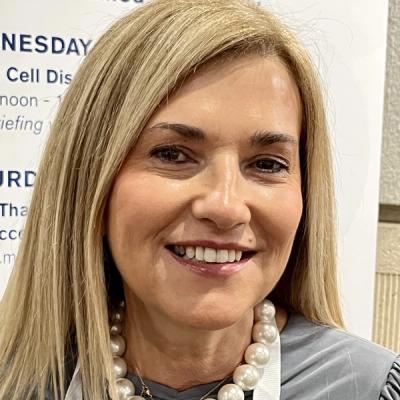
María-Victoria Mateos; ASH 2025: Unprecedented Survival Benefits with BCMA/CD3 Bispecific Antibody Teclistamab in Patients with Relapsed or Refractory Multiple Myeloma: Majestec-3 Study Findings
This podcast episode, recorded at ASH 2025, features an interview with María-Victoria Mateos MD PhD, who discusses groundbreaking findings from the Majestec-3 study. The study highlights unprecedented survival benefits with the BCMA/CD3 bispecific antibody teclistamab. In patients with relapsed or refractory multiple myeloma, adding teclistamab to standard second-line therapies significantly improved progression-free and overall survival.